
Dietary and nutrition tips for heart health
When it comes to taking care of your heart, adhering to a proper diet is one of the most important things you can do to prevent disease.

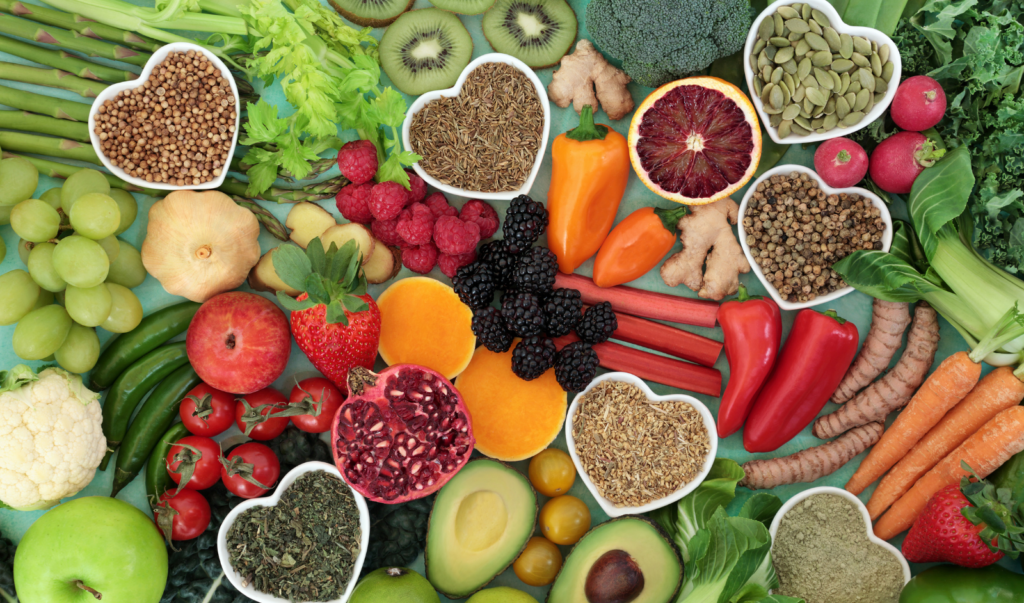
Although some risk factors for heart disease may be inherent or unavoidable, nutrition and weight are two factors that you do have influence over.
Heart health tips
When it comes to taking care of your heart, adhering to a proper diet and achieving and maintaining a healthy weight are two of the most important things you can do to prevent disease. Following a healthy eating plan that includes many nutrient-rich foods and limits unhealthy, artery-clogging foods is crucial. Equally as important for improving heart health is losing excess body weight. A lifestyle of daily exercise and a diet that focuses on fiber-rich, unrefined carbohydrates such as fruits, vegetables, beans and whole grains is the best way to achieve this.
The Pritikin Eating Plan, for example, is focused around healthy foods that are naturally low in calorie density and high in nutritional value. It includes a wide range of unprocessed, or minimally processed foods. It cautions or limits food that has been shown to increase the risk of a number of health issues such as hypertension, heart disease, high blood cholesterol and high blood sugar. This eating plan has not only been shown to encourage weight loss, but to also prevent and control some of the nation’s leading health concerns. Most importantly, it’s filling, satisfying and delicious.
Foods to limit or avoid
The majority of heart-related diseases are a result of built-up plaque or cholesterol in the inner walls of the arteries, according to the Centers for Disease Control and Prevention. This is called atherosclerosis. If and when this plaque ruptures, it has the potential to cause major blood clots, blocking the flow of blood to the heart and causing a heart attack. There are a number of reasons including genes and complications that can have the potential to clog arteries. However, there are three dietary factors clogging arteries that you can control on your own, asserted the Pritikin Scientific Advisory Board.
Dietary cholesterol, trans fats and saturated fats clog arteries. For that reason, it is advised that all saturated fats, partially hydrogenated vegetable oils, processed meats, organ meats and cholesterol-rich foods, be avoided whenever possible. This is in line with the American Heart Association’s recommendation to limit trans fat, saturated fat, sugar-sweetened drinks, sodium, red meat and sweets. Consuming red meat once a month is OK, however it is important to compare and understand all labels to ensure you’re selecting the leanest cut available.
Limit these foods:
- Red meat
- Oils
- Salt
- Refined sweeteners such as sugar, corn syrup and honey
- Refined grains such as white bread, pasta and white rice
Avoid these foods altogether:
- Tropical oils like coconut oil
- Fatty meats
- Egg yolks
- Dairy products , such as cheese, cream and whole or low fat milk
Best foods for heart health
The University of Maryland Medical Center outlined the key diet guidelines for best heart health. The primary takeaway, is to limit food and drinks that are low in nutrients and high in calories, while maintaining a balanced diet packed with high-fiber, nutrient-rich foods. Foods that are high in nutrients contain protein, whole grains and minerals that are essential for your health and may aid in controlling cholesterol, blood pressure and even weight, concluded the AHA.
Essentially, making healthy choices when it comes to food is the crux of eating right for your heart.
Here is a list of the best foods to consume for your heart:
- A variety of fruits and vegetables.
- Fish high in omega-3 fatty acids.
- Whole grains rich in fiber, such as whole-wheat bread and pasta, oatmeal and brown rice.
- Starchy vegetables.
- Legumes and soy-based foods, like edamame and tofu.
- Lean calcium options, such as fat-free, low-fat and nonfat dairy items.
- Lean protein sources, including skinless white poultry and lean red meat like bison and venison.
As is mentioned time and again, making the right food choices for your heart does not have to be boring and it certainly does not have to lack flavor. At Pritikin, you will learn all of the secrets to heart-healthy cooking and eating. As a bonus in the meantime, here are two satisfying and delicious recipes for nutrient-rich appetizers.

Get All the Details of a Stay at the Pritikin Center in Your Inbox
Wellness Resort
Weight Loss Retreat
Health Spa