
What is non-HDL cholesterol?
It is helpful to know your non-HDL cholesterol because your level of non-HDL may predict your risk of cardiovascular disease even better than your LDL “bad” cholesterol.

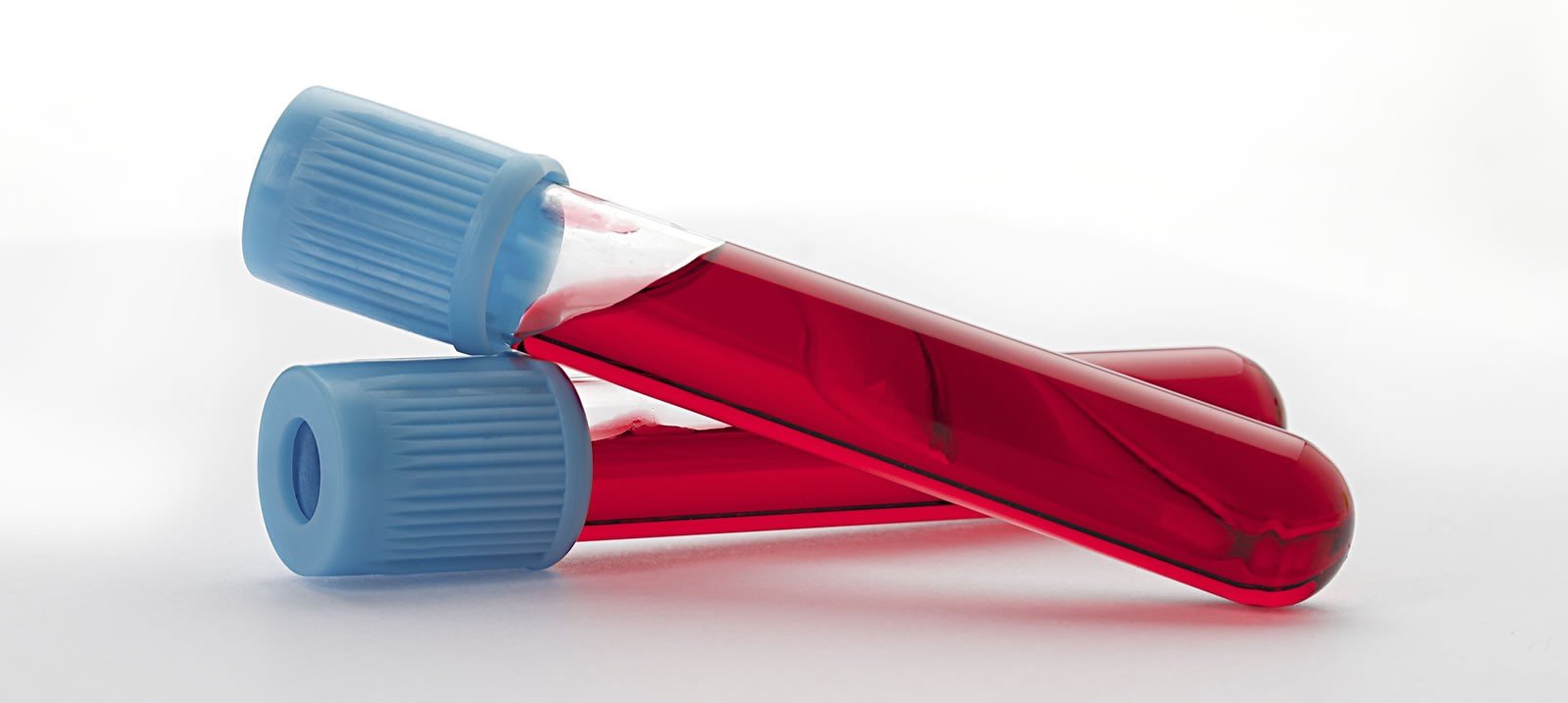
It is helpful to know your non-HDL cholesterol because your level of non-HDL may predict your risk of cardiovascular disease even better than your LDL (bad) cholesterol.
That’s because your non-HDL number tells you all the bad cholesterol circulating in your blood – not only your LDL cholesterol but also your levels of VLDL, IDL, and chylomicroms. All are linked with the “bad” protein – apoB, which means all are plaque-producing and artery-clogging.
What are optimal non-HDL cholesterol levels?
“Our recommendations are based on recent research analyzing the non-HDL levels of more than 18,000 heart patients, as well as research on 202 heart patients who lowered their non-HDL levels over the course of one year,” states Dr. James Kenney, Nutrition Research Specialist at the Pritikin Longevity Center.

Learn More About Pritikin
“Based on these data, our Pritikin Scientific Advisory Board recommends that non-HDL be no more than 100 for prevention and no more than 80 in those with established coronary artery disease or those at very high risk,” such as people with diabetes or with evidence of severely clogged arteries, including those who have had a heart attack or have angina (chest pain) or claudication. Claudication is difficulty/pain in walking due to insufficient blood supply to the legs and feet.
And certainly, any significant improvement in non-HDL likely means significant reductions in heart attack risk.
Consistently, non-HDL levels improve, and rapidly so, among guests at the Pritikin Longevity Center. On average, they fall 24% within three weeks.
Research by scientists at UCLA has also found that two to three weeks at Pritikin leads to dramatic improvements in the quality of HDL particles, transforming them from pro-inflammatory to anti-inflammatory in nature.
The Pritikin Longevity Center is the longest-running, most scientifically documented health resort in America. Since 1975, more than 100,000 people worldwide have come to Pritikin for health vacations and education in heart-healthy living. Medicare now covers the Pritikin Program for a newly established form of cardiac rehab called Intensive Cardiac Rehabilitation, or ICR.

Get All the Details of a Stay at the Pritikin Center in Your Inbox
Author, Dr. James J. (Jay) Kenney, PhD, RD, FACN