
Beans Vs Meat | Calories, Protein, Fiber, and Weight Loss
There’s another nice bonus that this beans-vs-meat study shows. Not only are bean burgers better at filling the belly, they do it on fewer calories. A typical fast food meat patty tallies up about 230 calories (That’s for a regular-size patty. Large meat patties average 426 calories). Bean burgers, by contrast, average just 115 calories.

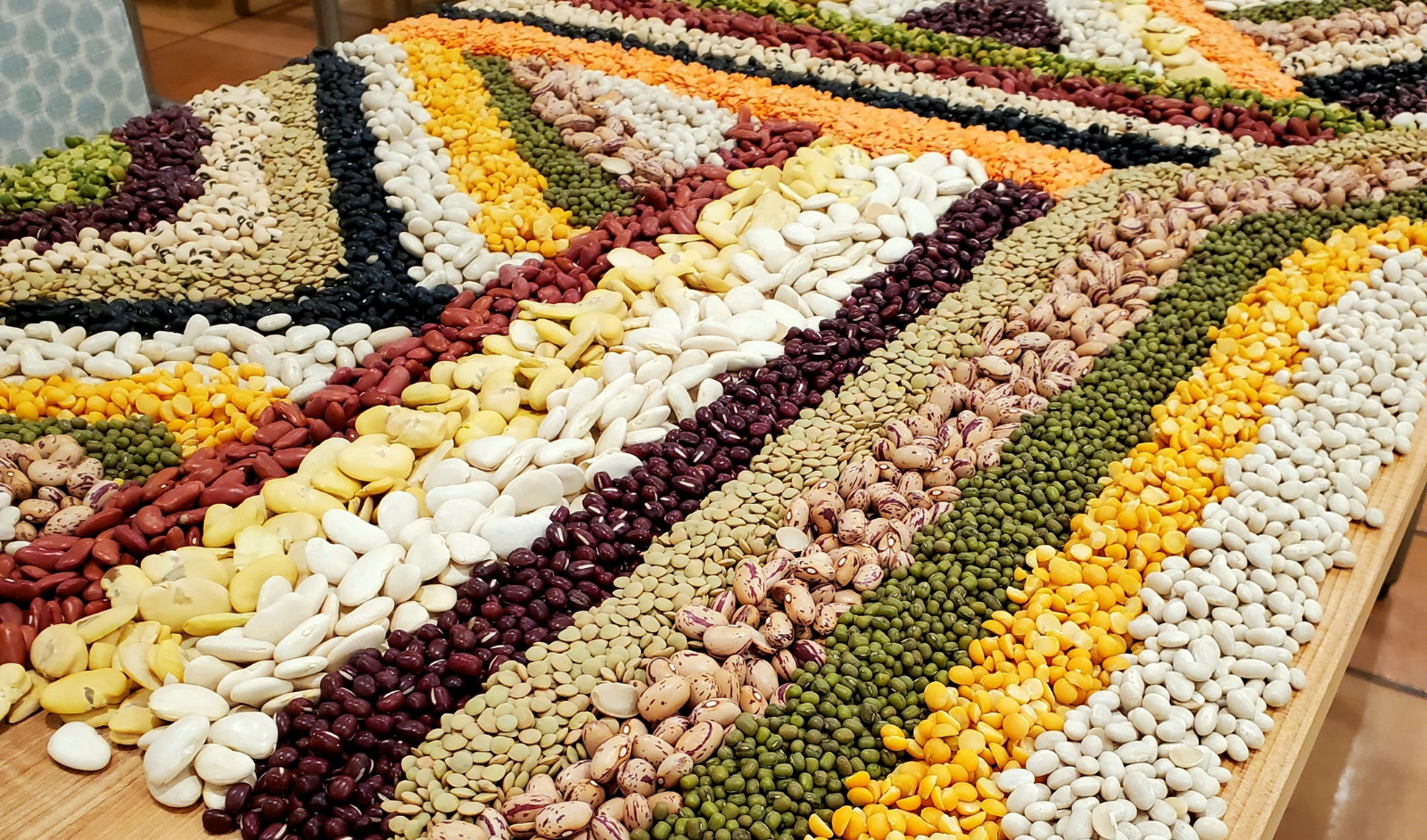
Beans Vs Meat
In a recent study from the University of Copenhagen, scientists gave 43 young men several meals in which the main source of protein alternated between patties made from veal/pork and patties made from fava beans. Half of the time, the bean meals contained the same amount of protein as the meat meals (19% of calories). The other half, the bean meals had less protein (9% of calories).
The results may surprise you.
Beans Vs Meat | Beans Win
When the men ate the bean meals with 19% protein, they consumed 12% fewer calories in their next meal than when they had eaten the meat meals (also 19% protein).
Put simply, the bean meals had more “staying power.” They provided more stomach-filling satisfaction than the meat meals, which curbed food intake at the next meal. Obviously, that’s a very important asset if you’re trying to shed weight.

Learn More About Pritikin
Fiber
But it’s critical to remember that it’s not just the protein in the beans that created feelings of fullness. Fiber, which beans are rich in, is a superb stomach-filler. (Meat has zip for fiber.)
In fact, when it comes to hunger-curbing power, fiber may be more impressive than protein. Noted the study’s lead author Anne Raben in a University of Copenhagen press release: “Interestingly, a vegetable-based meal [the fava bean patties] with lower protein content was as satiating and palatable as an animal-based meal [the meat patties] with higher protein content.”
Fiber For Losing Weight
For losing weight, sums up Dr. Raben, don’t think you have to rely on a large amount of protein from meat to fill you up and keep hunger at bay. Her research found that “one can eat a fiber-rich meal, with less protein, and achieve the same sensation of fullness.
Beans Vs Meat | Calories
“While more studies are needed for a definitive proof, it appears as if vegetable-based meals – particularly those based on beans and peas – can serve as a long term basis for weight loss and as a sustainable eating habit,” concluded Dr. Raben and colleagues.
There’s one other nice bonus that this beans-vs-meat study shows. Not only are bean burgers better at filling the belly, they do it on fewer calories. A typical fast food meat patty tallies up about 230 calories (That’s for a regular-size patty. Large meat patties average 426 calories). Bean burgers, by contrast, average just 115 calories.
More Benefits From Beans
The benefits of beans go far beyond boosting your weight-loss efforts. Beans have all the benefits of foods naturally high in fiber.
A fiber-rich diet can help you:
- Lower cholesterol
- Control blood sugar
- Help prevent type 2 diabetes
- Regulate bowel movements
- Help prevent diseases of the bowel
- Reduce your risk of heart disease – the number 1 cause of death for both men and women in America. By choosing beans over saturated-fat-filled meat, you’ll very likely prevent atherosclerosis, or plaque build-up.
- Nourish a healthy microbiome in your gut. Microbiomes are communities of microbes throughout our bodies. They play a big role, research is learning, in keeping us healthy. The best foods for the microbiome in the gut, studies show, are fiber-rich foods. The worst foods appear to be red meats. Red-meat eaters have gut microbiomes that convert the carnitine in meat into compounds called TMAO, which accelerate plaque build-up, increasing heart disease risk.3
A bean-rich diet may even help you live longer. The longest-living communities in the world, from Campodimele, Italy, to Okinawa, Japan, eat diets full of beans and bean-based foods like tofu. If you want to live to 100, and live well all along the way, eat beans, encourage nutrition researchers worldwide.
Beans In the Kitchen
Not sure what to do with beans? Think they’re boring?
“Beans are so diverse!” encourages Vincent Della Polla, Executive Chef at the Pritikin Longevity Center in Miami, Florida, where beans make their chewy, buttery way into all sorts of delicious meals and snacks, like dips, soups, stews, chilies, wraps, burritos, side dishes, pastas, and paellas. Chef Vincent continues, “A great source of protein, legumes can be a great alternative for meat, which has more fat and cholesterol. Legumes are low in fat and contain no cholesterol. There’s a ton of different beans, all with their own distinct flavor and texture. Try one, you’re in for a wonderful surprise!”
Get started with these two hits in the dining room at Pritikin.
Garbanzo Chocolate Cookie
These Garbanzo Chocolate Cookies made their debut at our Gala Valentine’s Day Dinner, and the response was unbelievable. Everyone loved their rich chocolaty flavor and texture. Each cookie has just 45 calories.Get Recipe
Curry Hummus Dip
This Curry Hummus Dip makes a fabulous spread for pitas and sandwiches. And what a difference for your waistline! A schmear has about one-seventh the calories of butter or mayo.
Get Recipe
More Beans | A Healthier You, A Healthier Planet
If you could use a final reason to prefer vegetable protein like beans over meat, the University of Copenhagen authors remind us that raising animals for food is seriously harmful to the environment. Meat production uses far more land and water than plant production and produces as much as 50% of the greenhouse gases that lead to climate change.
So, as you enjoy the personal health benefits of eating beans, know that you are contributing to the health of the planet. Sustainable eating sustains both you and the earth.
Achieve your Healthy Weight at the Pritikin Weight-Loss Resort
Take life to the next level, and be all that you can be. That’s what a vacation at Pritikin is all about. Live better. Look better. And best of all, feel better.

Get All the Details of a Stay at the Pritikin Center in Your Inbox
Sources
- 1 Food and Nutrition Research, 2016; 60: 1654.
- 2 Advances in Nutrition, 2013; 4: 16.
- 3 New England Journal of Medicine, 2013; 368: 1575.