
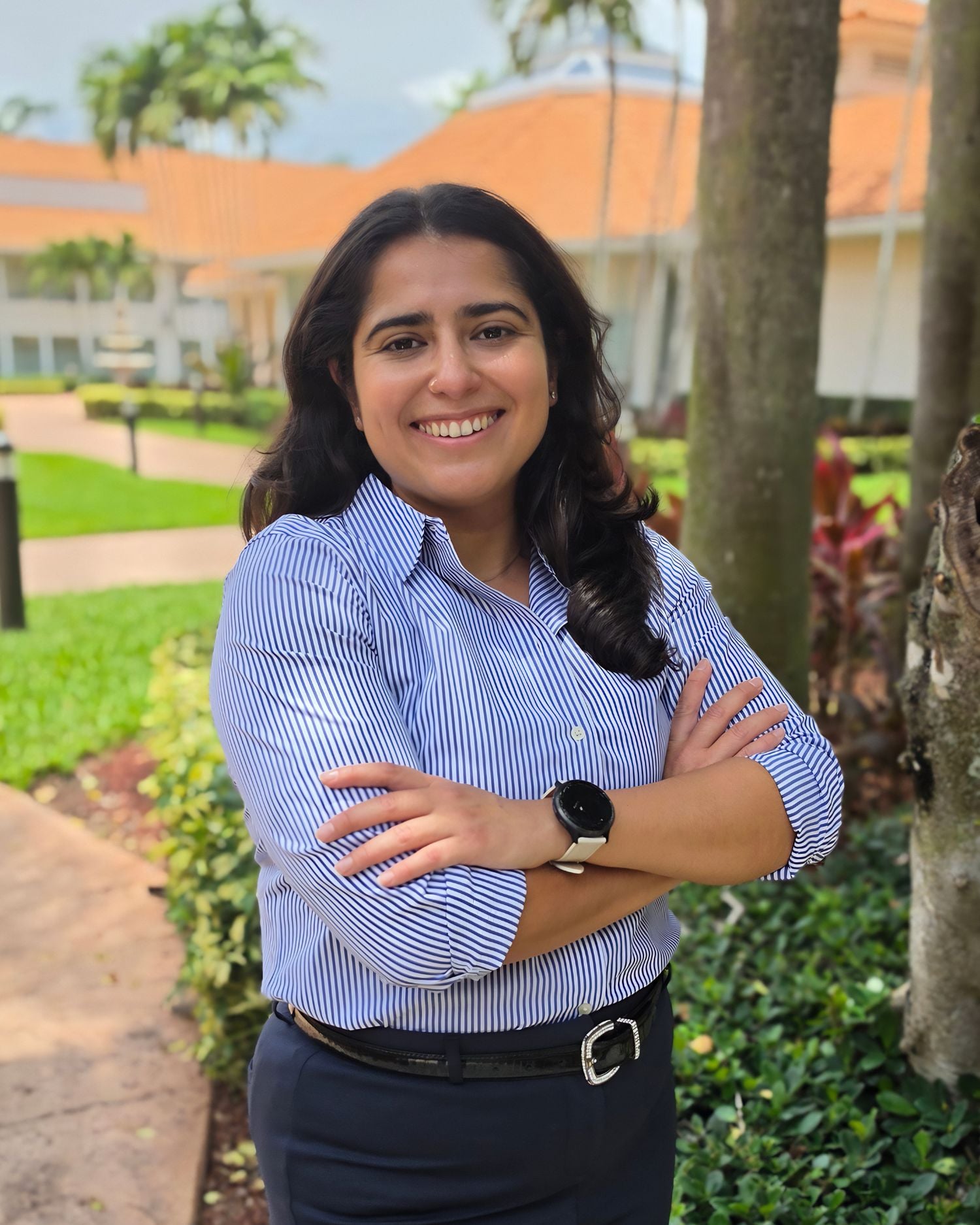
Dr. Rachel Gastaldo, PhD
Director of Applied Longevity Science
- Director of Applied Longevity Science at Pritikin Longevity Center
- American College of Sports Medicine – Certified Exercise Physiologist (ACSM-EP), Exercise is Medicine Level 2 Credential
- University of Miami – Doctor of Philosophy (PhD) in Exercise Physiology
- University of Miami – Master of Science in Education, Applied Physiology
- Florida Gulf Coast University – Bachelor of Science in Exercise Science
- American Heart Association – Basic Life Support (BLS) Certification
- CITI Program – Biomedical Research, Social-Behavioral Research, and Good Clinical Practice Certifications
"Longevity is not just about living longer—it’s about maintaining strength, independence, and quality of life at every stage."
Dr. Rachel Gastaldo is a leader in applied longevity science with a strong foundation in exercise physiology, research, and performance optimization. As Director of Applied Longevity Science at Pritikin, she combines advanced scientific expertise with practical application to help individuals improve strength, mobility, and long-term health outcomes.
Dr. Gastaldo earned her Ph.D. in Exercise Physiology from the University of Miami, where her research focused on the effects of targeted exercise interventions on neuromuscular performance, muscle and tendon adaptations, and functional outcomes in older adults and individuals with Parkinson’s disease. Her work has contributed to advancing the understanding of how exercise can be used as a powerful tool to support healthy aging and disease management.
With extensive experience in both research and hands-on training, Dr. Gastaldo specializes in translating complex scientific findings into accessible, effective strategies. She is committed to helping individuals enhance their quality of life through evidence-based exercise programming that supports strength, function, and independence.
Dr. Gastaldo believes that longevity is built through consistent, purposeful movement and that exercise should be both effective and sustainable. Her approach emphasizes personalized, science-driven solutions that empower individuals to move better, feel stronger, and maintain independence over time.
Research & Publications
Dr. Gastaldo has made significant contributions to the field of exercise physiology, with a strong focus on healthy aging, neuromuscular performance, and exercise interventions for individuals with Parkinson’s disease. Her work includes peer-reviewed journal publications, ongoing research studies, and numerous scientific abstracts presented at leading conferences.
Peer-Reviewed Publications
- Velocity-Based Training Frequency Impacts Changes in Muscle Morphology, Neuromuscular Performance, and Functional Capability in Persons with Parkinson’s Disease — The Journal of Strength & Conditioning Research (2025)
- Influence of Visual Feedback on Neuromuscular Performance during Resistance Training in Healthy Older Adults — The Journal of Strength & Conditioning Research
Research in Progress & In Review
- Velocity-Based vs. Traditional Strength Training and its effects on neuromuscular performance in individuals with Parkinson’s disease — Journal of Parkinson’s Disease
- Power training strategies and their impact on muscle morphology, cognition, and performance in older adults — The Journal of Strength & Conditioning Research
- Comparative impacts of high-speed cued yoga vs. traditional yoga on cognitive and physical performance — Experimental Gerontology
- Additional studies exploring strength training methodologies and functional outcomes — Journal of Aging Research
Scientific Abstracts & Conference Contributions
Dr. Gastaldo has authored and co-authored numerous abstracts presented at national scientific meetings, including the American College of Sports Medicine (ACSM) Annual Conference, with research covering:
- Strength and power training adaptations in aging populations
- Muscle morphology and functional performance relationships
- Exercise interventions for Parkinson’s disease
- Neuromuscular performance and training methodologies
- Cognitive and functional outcomes associated with exercise
Many of these works have been published or accepted in Medicine & Science in Sports & Exercise, further highlighting her active role in advancing evidence-based practice.