
Why Are People Using Ozempic Instead of Wegovy?
Ozempic and Wegovy both contain semaglutide but are approved for different uses and available at different doses. However, they are very similar medications.

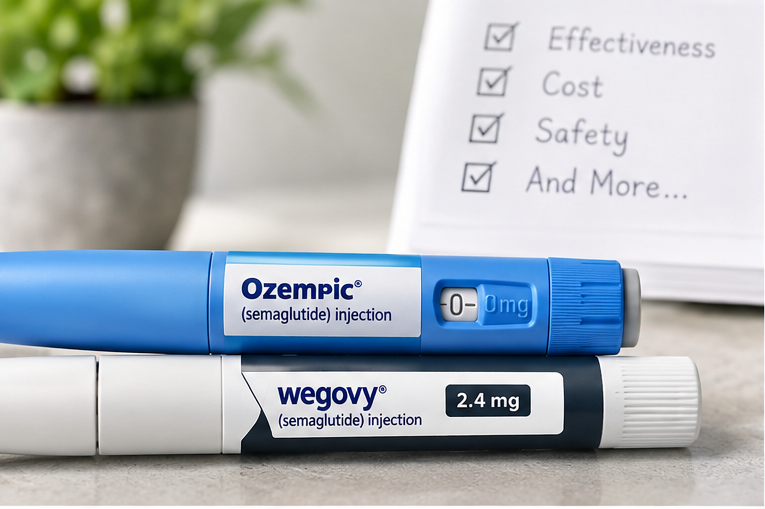
Obesity has become an epidemic in the United States and around the world. As a result, many people are turning to weight loss medications like semaglutide to help them lose weight and keep it off. Two popular semaglutide drugs on the market are Ozempic and Wegovy. But what’s the difference between these two medications? And why are some people choosing Ozempic over Wegovy for weight loss? Keep reading to find out.
Is Wegovy and Ozempic the Same Medication?
Ozempic and Wegovy contain the same active ingredient – semaglutide. However, there are some key differences between the two drugs:
- Approved Uses: Ozempic is approved by the FDA for blood sugar control in adults with type 2 diabetes, while Wegovy is specifically approved for chronic weight management.
- Dosing: The dosing for Ozempic ranges from 0.25 mg to 1 mg per week, while Wegovy can be prescribed at doses up to 2.4 mg per week. The higher dosing of Wegovy is associated with increased weight loss.
- Packaging: Ozempic comes in a pre-filled pen injector, while Wegovy comes in both a pre-filled pen and syringes.
So in summary, Ozempic and Wegovy both contain semaglutide but are approved for different uses and available at different doses. However, they are very similar medications.
What are the Advantages of Ozempic According to the Manufacturer?
According to the manufacturer Novo Nordisk, Ozempic has several key benefits:
- Lowers A1c blood sugar levels in adults with type 2 diabetes
- May help some people lower blood sugar to near-normal levels
- Helps the body release insulin when needed after meals
- May help improve cholesterol levels
- Once weekly injection instead of daily shots
In comparison, the advertised benefits of Wegovy for weight loss include:
- Significant weight loss within 16 weeks
- Helps keep weight off long term
- Minor GI side effects that resolve over time
- Convenient once weekly injection
- Improved cardiometabolic health
So in essence, the claimed benefits are very similar, focusing on improved blood sugar control and weight loss, along with ease of weekly dosing. But Ozempic is specifically geared towards diabetes, while Wegovy targets weight.
What is the Price Difference Between Wegovy vs Ozempic?
There is a substantial price difference between these two semaglutide drugs. According to GoodRx, retail prices for Ozempic range from around $850-$1,100 per month without insurance. The cash price for Wegovy is significantly higher, ranging from $1,300-$1,500 for a one month supply.
The increased cost of Wegovy compared to Ozempic is likely due to the differences in dosing. Wegovy can be prescribed at a dose of 2.4 mg per week, which requires 4 pens or syringes. In contrast, the maximum dose of Ozempic is only 1 mg per week, requiring just 1-2 pens monthly.
For those with insurance, out-of-pocket costs for both medications may be lower depending on coverage. But the retail price difference of $400+ per month can really add up, which may drive some people to use Ozempic off-label instead of Wegovy.
What are the Side Effects of Ozempic?
According to the drug manufacturer, the most common side effects of Ozempic are:
- Nausea
- Vomiting
- Diarrhea
- Stomach pain
- Decreased appetite
- Indigestion
- Constipation
- Gas
- Headache
These side effects are quite similar to those seen with Wegovy, which also commonly causes temporary GI issues like nausea, diarrhea, vomiting, and constipation.
For most people, side effects of semaglutide like nausea and vomiting are mild to moderate and improve over the first 4-8 weeks on treatment. But for some, persistent GI side effects may be intolerable, leading them to discontinue treatment.
There are some other rare but serious risks to be aware of with semaglutide drugs like Ozempic and Wegovy as well. These include risks of thyroid tumors, pancreatitis, kidney problems, low blood sugar, diabetic retinopathy, suicidal thoughts and more.
Have There Been Any Long-Term Studies Done on Ozempic and Wegovy?
Since both Ozempic and Wegovy are relatively new drugs, long-term safety data is limited.
Ozempic was first approved by the FDA in 2017, while Wegovy was approved in 2021. So there are no studies looking at the effects of using these medications for 5, 10 or 20 years. The clinical trials conducted so far only evaluate safety and efficacy for 6 months to 2 years.
There is also limited data on long-term weight loss maintenance with semaglutide drugs. More research is needed to determine if the significant weight loss seen in clinical trials is sustained long-term after stopping treatment.
So in the absence of long-term safety data, these medications are recommended for short-term use of 1-2 years. Patients and providers should closely monitor for any adverse effects.
Have There Been Any Deaths or Severe Complications With Semaglutide Medications?
According to the FDA adverse event reporting system, there have been a small number of deaths associated temporally with Ozempic and Wegovy use. However, it remains unclear if these deaths were directly caused by the medications.
Some of the reasons listed for the patient deaths included heart attacks, pancreatitis, diabetic ketoacidosis, stroke, sepsis, suicide and more. Several of these adverse events occurred in patients with underlying health conditions.
There have also been some severe complications like acute pancreatitis and kidney injury reported with semaglutide use. Patients taking these medications should be aware of concerning symptoms like severe stomach pain, vomiting, rash, kidney problems, breathing issues, etc.
However, considering millions of people have taken Ozempic and Wegovy worldwide, serious adverse events appear to be quite rare. Still, more research on the long-term safety of semaglutide drugs is warranted.
Why Natural Weight Loss May Be the Best Option
Given the high costs, potential side effects, and unknown long-term risks of medications like Ozempic and Wegovy, natural weight loss methods may be the safest and most sustainable option for many people.
Proven programs like Pritikin help people lose weight and support long-term weight maintenance through regular exercise, nutrition education, cooking classes, stress reduction techniques and more.
The Pritikin Program documented in over 100 peer-reviewed studies does not involve any risky medications or starvation diets. Participants learn how to make lasting lifestyle changes to keep weight off without drugs.
Natural weight loss options also come with additional health benefits like improved cardiovascular fitness, better sleep, reduced inflammation, and so much more. Lifestyle changes trump short-term pharmacological approaches for overall wellness.
So for those seeking lasting weight loss success with no worrying side effects, evidence-based programs focused on nutrition, fitness and mind/body wellness may be the smartest choice. Long-term health matters more than quick fixes.