
Overcoming Fear and Anxiety About Exercising Again

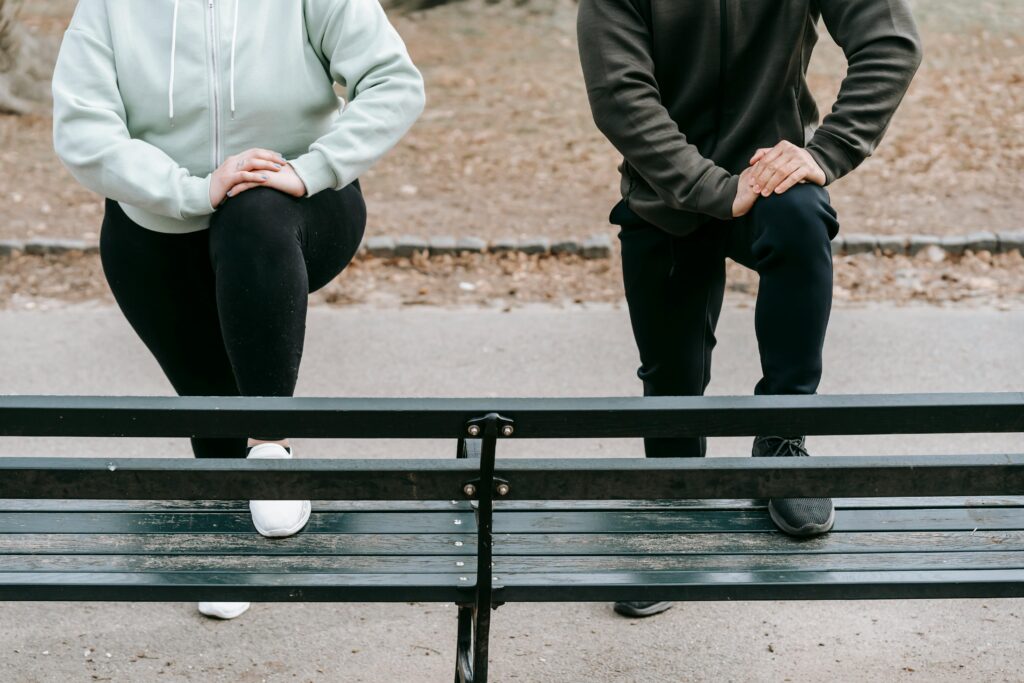
For many adults, especially those recovering from illness, injury, or years of inactivity, fear of exercising can feel paralyzing. The idea of exercising again may trigger waves of self-doubt, physical apprehension, or emotional discomfort. Studies highlight that fear-related emotional responses, particularly those tied to prior negative experiences with exercise or pain, can inhibit a person’s willingness to re-engage in physical activity. When combined with anxiety about failure, judgment, or re-injury, this emotional resistance becomes a powerful barrier.
The emotional weight of anxiety about exercising often stems from a complex interplay of memory, social pressure, and physiological stress. Someone who once enjoyed movement may now associate it with discomfort or inadequacy. Overcoming fear of exercising is not merely about motivation – it’s about emotional recovery and self-compassion.
Why Anxiety About Exercising Can Feel Overwhelming
For many people, the prospect of exercising again awakens a sense of vulnerability. Research in the British Journal of Sports Medicine confirms that the amygdala – the brain’s fear center—plays a pivotal role in shaping how individuals perceive physical exertion. When exercise has been associated with exhaustion, pain, or body insecurity, that perception can amplify into chronic anxiety about exercising.
This anxiety often presents as:
- Fear of failure: The belief that you won’t perform “well enough.”
- Fear of judgment: Worrying about how others perceive your body or effort.
- Fear of injury: Lingering concern from past pain or health limitations.
- Fear of discomfort: Anticipating the physical sensations of exertion as dangerous rather than temporary.
The first step in overcoming fear of exercising again is not forcing action—it’s recognizing that fear is a valid emotional response that can be managed, not ignored.
The Psychology of Overcoming Fear of Exercising
Understanding the fear of exercising requires acknowledging its root causes. The Journal of Qualitative Research in Sport, Exercise and Health, notes that self-perception and body awareness heavily influence motivation and anxiety. For instance, someone who compares their current body to their younger self may internalize disappointment, reinforcing avoidance behavior.
To begin overcoming fear, one must shift the mindset from performance to progress. Exercising again is not a competition – it’s a personal reclamation of confidence, mobility, and vitality. That shift allows the body and mind to collaborate rather than conflict.
Recognizing the Emotional Triggers Behind Exercise Avoidance
Before reestablishing an exercise routine, it’s important to understand the emotional triggers that drive anxiety about exercising. These may include:
- Negative self-talk: Associating fitness with failure or inadequacy.
- Perfectionism: Setting unrealistic expectations for performance.
- Past trauma or pain: Linking physical activity with discomfort or embarrassment.
- Social anxiety: Feeling uncomfortable in public exercise environments.
Acknowledging these emotions helps reframe exercising again as an act of self-care rather than punishment. This awareness is the foundation of overcoming fear of exercising in a sustainable way.
Practical Strategies for Managing Anxiety About Exercising
Overcoming anxiety about exercising doesn’t happen overnight – it requires gradual exposure, supportive environments, and guided reassurance. Here are evidence-based steps to help ease the transition into exercising again:
- Start small: Begin with gentle movements like walking or stretching. The Pritikin Program emphasizes low-impact, achievable exercises tailored to your current ability.
- Redefine success: Instead of measuring progress by calories burned or pounds lost, track consistency and emotional well-being.
- Focus on function: View exercise as a tool to enhance mobility, reduce stress, and restore confidence—not just as a means of physical transformation.
- Seek social support: Join group classes or wellness retreats that emphasize community over competition.
- Embrace mindfulness: Deep breathing and meditation can reduce physiological symptoms of anxiety about exercising and rewire fear-based responses.
Through these steps, overcoming fear becomes less about erasing anxiety and more about developing resilience in its presence.
How Exercising Again Can Improve Emotional Health
Once the initial fear subsides, exercising again can profoundly transform emotional states. Physical activity triggers the release of endorphins and serotonin—neurochemicals responsible for mood elevation and relaxation. According to the British Journal of Sports Medicine, consistent exercise correlates with significant reductions in symptoms of anxiety and depression.
The emotional benefits of exercising again include:
- Enhanced self-esteem: Regaining control of one’s body promotes self-confidence.
- Reduced anxiety: Exercise regulates cortisol and stress hormone levels.
- Improved cognitive clarity: Physical activity boosts focus, sleep quality, and overall mental performance.
- Greater emotional resilience: Overcoming fear of exercising builds psychological flexibility—the ability to face discomfort with calmness.
This mind-body feedback loop shows that movement itself becomes the medicine for anxiety about exercising.
Overcoming Fear Through Gradual Progression
For those struggling with fear of exercising, gradual progression is critical. At Pritikin, the process of exercising again is designed to be adaptive, allowing guests to start at their current level – whether they are recovering from cardiac events, weight-related conditions, or years of sedentary living.
Key elements of gradual progression include:
- Personalized pacing: No two guests are the same. Pritikin’s clinical team ensures each movement fits medical and emotional readiness.
- Low-intensity foundations: Activities like water aerobics, walking circuits, and stretching are introduced before more strenuous exercises.
- Positive reinforcement: Coaches and trainers focus on celebrating progress, not perfection.
- Holistic monitoring: Physicians, exercise physiologists, and nutritionists collaborate to prevent injury and minimize stress.
By building confidence step by step, overcoming fear of exercising evolves from avoidance to empowerment.
The Role of Environment in Overcoming Anxiety About Exercising
Environment plays a defining role in shaping motivation. Crowded gyms or competitive fitness classes can heighten anxiety about exercising, particularly for those who feel self-conscious. Pritikin’s serene, resort-style campus in Doral, Florida, provides a safe, supportive space for exercising again without pressure.
Guests benefit from:
- Natural surroundings conducive to mindfulness.
- Expert-led group classes emphasizing inclusion and encouragement.
- A holistic environment that integrates emotional, nutritional, and physical wellness.
When fear of exercising is met with empathy and structure, transformation becomes not only possible but sustainable.
How Pritikin Helps Guests Overcome Fear of Exercising
The Pritikin Program specializes in helping individuals overcome fear of exercising through a science-based, compassionate approach. The philosophy centers on meeting each guest exactly where they are—physically, emotionally, and psychologically. Every exercise program is medically supervised and designed to accommodate health status, mobility level, and confidence.
Guests who experience anxiety about exercising often find reassurance in the following Pritikin methods:
- Clinical exercise evaluation: Each participant undergoes a medical assessment to ensure safety and customization.
- Small group and one-on-one sessions: A supportive environment that nurtures confidence and minimizes social comparison.
- Motivational coaching: Trainers and psychologists help guests identify emotional triggers and reframe fear as an opportunity for growth.
- Non-competitive fitness culture: The focus is on well-being and consistency, not athletic performance.
Through these structured methods, guests find that exercising again is not something to dread – it becomes a path to renewal.
How Lifestyle Education at Pritikin Addresses Fear and Anxiety
A distinguishing feature of the Pritikin Program is its commitment to addressing emotional wellness alongside physical rehabilitation. Workshops and classes are specifically designed to help guests manage anxiety about exercising and navigate the emotional blocks that interfere with wellness goals.
These interactive sessions include:
- Stress management workshops: Guests learn mindfulness, relaxation, and cognitive behavioral techniques.
- Emotional wellness seminars: Discussions on self-esteem, fear management, and motivation.
- Lifestyle coaching: Integration of nutrition, sleep, and exercise habits to strengthen emotional resilience.
This multifaceted approach ensures that overcoming fear of exercising is supported not just by physical training, but also by education and community.
Scientific Evidence Supporting Exercise as Emotional Therapy
Research confirms that consistent physical activity can restructure neural pathways associated with fear and anxiety. Exercise acts as an exposure therapy, teaching the brain to reinterpret physical exertion not as a threat but as a source of safety and empowerment.
This phenomenon—known as “neuroplasticity”—demonstrates why exercising again can gradually recondition emotional responses. Each movement, however small, becomes a micro-affirmation that overcoming fear is possible through repetition and self-kindness.
Embracing Self-Compassion While Exercising Again
Self-compassion is the antidote to anxiety about exercising. Rather than focusing on what one “can’t” do, compassionate self-talk centers on gratitude for movement itself. At Pritikin, guests are taught to approach exercising again as a healing ritual rather than a performance metric.
Practical self-compassion tools include:
- Journaling about emotional milestones.
- Practicing gratitude for daily progress.
- Recognizing that rest and recovery are part of strength-building.
- Celebrating micro-successes such as improved flexibility or endurance.
This emotional reframing transforms fear of exercising into appreciation for the body’s resilience and adaptability.
How Pritikin Builds Confidence in Exercising Again
Confidence is rebuilt through consistency, not perfection. Pritikin’s physician-led fitness team incorporates personalized milestones to help guests track their improvement and reduce anxiety about exercising. Every guest experiences measurable gains—whether in walking endurance, balance, or cardiovascular capacity.
Through overcoming fear in a supportive environment, guests experience tangible emotional shifts:
- Anxiety decreases as confidence rises.
- Fear is replaced with curiosity and accomplishment.
- Exercise becomes a daily expression of self-care.
At Pritikin, exercising again isn’t just physical rehabilitation—it’s an emotional rebirth.
The History and Proven Results of the Pritikin Program
For nearly 50 years, Pritikin has been a leader in lifestyle medicine, helping guests not only overcome fear of exercising but also reverse chronic illnesses through scientifically validated programs. Founded by Nathan Pritikin in the 1970s, the program was built on a simple yet revolutionary premise: that the body possesses a remarkable ability to heal itself through lifestyle change.
Pritikin’s outcomes are documented in more than 100 peer-reviewed medical journals. Guests experience measurable improvements including:
- Lower cholesterol and triglycerides
- Improved insulin sensitivity
- Reduced blood pressure
- Weight loss without deprivation
- Enhanced emotional well-being and energy levels
These proven results underscore why Pritikin remains the gold standard for those ready to begin exercising again and overcoming fear in a supportive, luxurious, and science-based environment.
How to Begin Your Journey at Pritikin
If you’ve experienced anxiety about exercising or struggled with the fear of exercising after illness, stress, or a sedentary period, Pritikin offers an unparalleled path toward renewal. Guests arrive from around the world to immerse themselves in an evidence-based lifestyle program where physicians, nutritionists, and exercise physiologists work together to help every guest feel safe, supported, and confident exercising again.
Learn more about how Pritikin’s holistic approach can help you overcome fear of exercising and rediscover your strength, vitality, and emotional wellness.
Connect with a Pritikin representative and start your journey toward confidence, balance, and lifelong health.