
Longevity Nutrition: The Anti-Inflammatory Diet That Protects Aging Cells
Just as important as including anti-inflammatory foods is the elimination or significant reduction of pro-inflammatory dietary components. Processed foods, added sugars, refined grains, and certain fats promote inflammation that accelerates cellular aging. Ultra-processed foods, which now comprise over half of caloric intake in many Western countries, contain additives, preservatives, and altered nutrients that trigger inflammatory responses.

The relationship between what we eat and how long we live has never been more scientifically understood than it is today. Emerging research reveals that nutrition plays a fundamental role in cellular aging, chronic disease prevention, and lifespan extension. For those seeking to optimize their health trajectory, the connection between an anti-inflammatory diet and longevity offers a roadmap to vibrant aging. This article explores the scientific evidence behind nutrition strategies that protect aging cells, reduce systemic inflammation, and extend both healthspan and lifespan.
The Science Behind Nutrition and Cellular Aging
At the cellular level, aging is influenced by multiple interconnected processes including oxidative stress, telomere shortening, mitochondrial dysfunction, and chronic low-grade inflammation. Research published in journals such as Cell Metabolism and The Lancet demonstrates that nutrition profoundly impacts these biological mechanisms. The foods we consume either accelerate or decelerate cellular aging through their effects on inflammatory pathways, DNA repair mechanisms, and metabolic function.
Chronic inflammation, often called “inflammaging,” represents one of the most significant drivers of age-related disease. This persistent, low-level inflammatory state damages tissues throughout the body and contributes to conditions ranging from cardiovascular disease to cognitive decline. Studies in Nature Reviews Immunology have established that dietary patterns directly modulate inflammatory markers such as C-reactive protein, interleukin-6, and tumor necrosis factor-alpha. When nutrition emphasizes anti-inflammatory foods while minimizing inflammatory triggers, the aging process itself can be modified at the cellular level.
- The concept of longevity nutrition extends beyond simply avoiding disease. Research from blue zones—regions where people routinely live past 100 years—reveals consistent dietary patterns that support exceptional longevity. These populations consume diets rich in plant foods, moderate in calories, and low in processed ingredients. Their nutrition choices create an internal environment that protects aging cells from damage while supporting optimal metabolic function.
Plant-Based Nutrition as the Foundation for Longevity
Multiple large-scale epidemiological studies have identified plant-based dietary patterns as the most effective nutritional approach for maximizing lifespan and protecting against age-related disease. The Adventist Health Study, which followed over 96,000 participants for decades, found that vegetarians lived significantly longer than non-vegetarians, with vegans showing the greatest longevity advantage. Similarly, the EPIC-Oxford study demonstrated that higher plant food consumption correlated with reduced mortality from all causes.
Plant-based nutrition serves as an anti-inflammatory diet through several mechanisms. Fruits, vegetables, whole grains, legumes, nuts, and seeds contain thousands of phytochemicals that actively reduce inflammatory signaling in cells. Compounds such as polyphenols, flavonoids, carotenoids, and glucosinolates modulate gene expression related to inflammation and cellular stress responses. Research published in The American Journal of Clinical Nutrition shows that these plant compounds activate cellular pathways associated with longevity, including sirtuins and AMPK.
The fiber content of plant-based nutrition also contributes significantly to its anti-inflammatory effects. Dietary fiber serves as fuel for beneficial gut bacteria, which produce short-chain fatty acids like butyrate. These metabolites have potent anti-inflammatory properties and influence systemic inflammation throughout the body. Studies in Cell demonstrate that the gut microbiome composition—shaped primarily by nutrition—affects aging processes and longevity in profound ways.
Whole food plant-based nutrition provides optimal nutrient density without excess calories, supporting another key longevity mechanism: caloric restriction without malnutrition. Research in model organisms and human studies suggests that moderate caloric restriction extends lifespan through effects on cellular metabolism, oxidative stress reduction, and enhanced autophagy—the cellular “cleanup” process that removes damaged components.
How Anti-Inflammatory Diets Protect Aging Cells
The protective effects of an anti-inflammatory diet on aging cells operate through multiple biological pathways. At the molecular level, inflammatory cytokines accelerate cellular senescence—the state where cells stop dividing and begin secreting harmful substances that damage neighboring cells. This senescence-associated secretory phenotype (SASP) creates a vicious cycle of inflammation and tissue dysfunction. Anti-inflammatory nutrition interrupts this cycle by reducing cytokine production and supporting the body’s ability to clear senescent cells.
Oxidative stress represents another critical factor in cellular aging. Free radicals damage cellular components including DNA, proteins, and lipid membranes. While the body produces antioxidant enzymes to neutralize these reactive molecules, aging reduces antioxidant capacity. An anti-inflammatory diet rich in plant foods provides exogenous antioxidants—vitamin C, vitamin E, selenium, and countless phytochemicals—that bolster cellular defenses. Research in Free Radical Biology and Medicine shows that dietary antioxidants work synergistically with endogenous antioxidant systems to protect aging cells.
Telomeres, the protective caps on chromosome ends, shorten with each cell division and serve as biomarkers of cellular aging. Critically short telomeres trigger cellular senescence and correlate with age-related diseases. Groundbreaking research published in The Lancet Oncology demonstrated that comprehensive lifestyle changes including nutrition modifications increased telomerase activity—the enzyme that maintains telomere length. An anti-inflammatory diet appears to protect telomeres through reduced oxidative damage and inflammation-mediated telomere attrition.
Mitochondrial function, essential for cellular energy production, declines with aging. Damaged mitochondria produce excessive reactive oxygen species while generating less ATP, contributing to cellular dysfunction. Anti-inflammatory nutrition supports mitochondrial health through provision of nutrients required for mitochondrial biogenesis and function, including B vitamins, magnesium, coenzyme Q10, and plant polyphenols. Studies show that dietary patterns emphasizing these nutrients maintain mitochondrial integrity during aging.
The anti-inflammatory diet also modulates insulin sensitivity and glucose metabolism, critical factors in longevity. Insulin resistance and elevated blood glucose accelerate aging through multiple mechanisms including advanced glycation end products (AGEs) formation, oxidative stress, and inflammatory signaling. Nutrition patterns high in fiber and low in refined carbohydrates maintain insulin sensitivity, protecting aging cells from glucose-related damage.
Dietary Components That Maximize Cellular Protection
Specific nutritional components have emerged from longevity research as particularly protective for aging cells. Legumes—beans, lentils, chickpeas, and peas—represent perhaps the most consistent dietary feature among long-lived populations. These foods provide protein, fiber, resistant starch, and bioactive compounds that support an anti-inflammatory environment. A study in the Journal of Nutrition found that for every 20-gram increase in daily legume consumption, mortality risk decreased by 7-8 percent.
Cruciferous vegetables including broccoli, cauliflower, kale, and Brussels sprouts contain sulforaphane and other isothiocyanates that activate the Nrf2 pathway, a master regulator of cellular antioxidant responses. This activation enhances the body’s production of protective enzymes and supports detoxification processes. Research shows these vegetables provide exceptional cellular protection when consumed regularly as part of an anti-inflammatory diet.
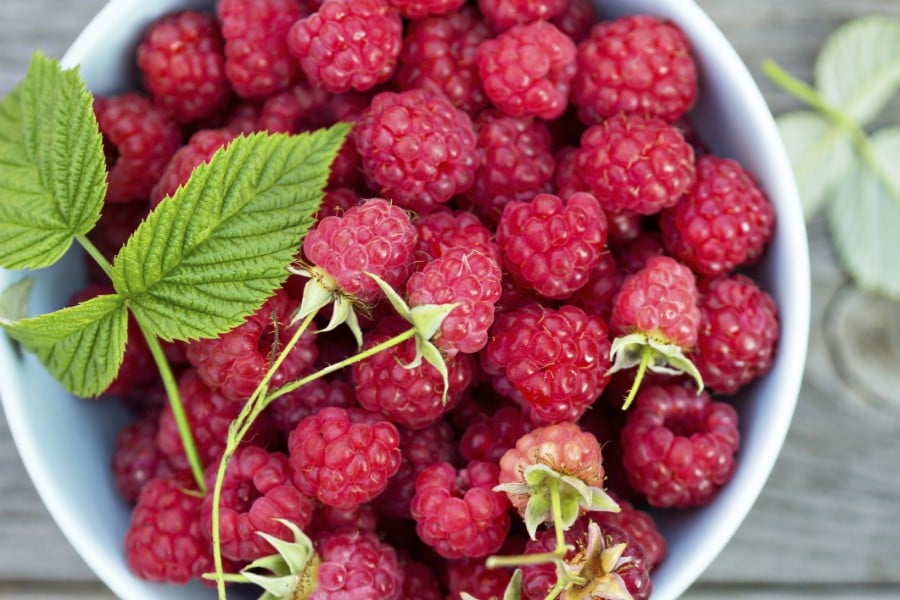
Berries deliver concentrated doses of anthocyanins and other polyphenols with powerful anti-inflammatory and neuroprotective properties. Studies in aging populations demonstrate that berry consumption correlates with slower cognitive decline and reduced cardiovascular disease risk. The anti-inflammatory compounds in berries cross the blood-brain barrier, directly protecting brain cells from oxidative damage and inflammation.
Whole grains provide B vitamins, minerals, fiber, and phenolic compounds that support longevity through multiple mechanisms. Unlike refined grains, which spike blood glucose and promote inflammation, whole grains maintain stable blood sugar while feeding beneficial gut bacteria. Research in the British Medical Journal found that whole grain consumption significantly reduced mortality from cardiovascular disease, cancer, and all causes.
Nuts and seeds offer healthy fats, plant protein, minerals, and bioactive compounds that reduce inflammation and support cellular health. The PREDIMED study, published in The New England Journal of Medicine, demonstrated that Mediterranean-style nutrition enriched with nuts reduced cardiovascular events by 30 percent. These foods provide omega-3 fatty acids, vitamin E, and polyphenols that protect cell membranes from oxidative damage during aging.
Omega-3 Fatty Acids and Their Role in Longevity Nutrition
The type of dietary fat consumed significantly impacts inflammation and aging processes. Omega-3 fatty acids, particularly EPA and DHA, serve as precursors to specialized pro-resolving mediators—molecules that actively resolve inflammation rather than simply blocking inflammatory signals. These fatty acids incorporate into cell membranes throughout the body, altering membrane fluidity and cellular signaling.
Plant sources of omega-3s include flaxseeds, chia seeds, hemp seeds, avocado and walnuts, which provide alpha-linolenic acid (ALA). While the body can convert ALA to EPA and DHA, this conversion is relatively inefficient. For optimal anti-inflammatory effects supporting longevity, direct sources of EPA and DHA from algae or careful supplementation may benefit aging individuals, particularly those following plant-based nutrition patterns.
In addition, Omega-3 fatty acids from fish – primarily EPA and DHA have one of the strongest and most consistent links to healthy aging and longevity by reducing cardiovascular risk, dampening chronic inflammation, and preserving brain and metabolic health. They’re a foundational component of dietary patterns consistently associated with longer, healthier lives.
Research in Circulation demonstrates that higher omega-3 intake correlates with slower telomere shortening over time. Additional studies show that omega-3 fatty acids reduce inflammatory cytokines, improve endothelial function, and support brain health during aging. These effects make omega-3s an essential component of any anti-inflammatory diet designed to protect aging cells.
The Longevity Benefits of Caloric Density and Satiety
Beyond specific nutrients, the overall caloric density of nutrition plays a crucial role in longevity. Foods high in water and fiber content provide satiety with fewer calories, naturally supporting weight management without hunger. This principle underlies the exceptional health outcomes associated with diets rich in vegetables, fruits, and whole grains—these foods allow adequate nutrition intake while preventing the excess caloric consumption linked to accelerated aging.
Research on caloric restriction has consistently shown lifespan extension in multiple species. While severe caloric restriction isn’t practical or necessarily beneficial for humans, moderate caloric moderation through consumption of low-caloric-density foods offers similar metabolic benefits. An anti-inflammatory diet emphasizing whole plant foods achieves this balance naturally, providing abundant nutrition without caloric excess.
The concept of nutrient density versus caloric density represents a key principle in longevity nutrition. Foods that deliver high nutrient content per calorie—leafy greens, colorful vegetables, legumes, and berries—optimize cellular function while preventing the metabolic stress associated with excess energy intake. This approach supports healthy aging by ensuring cells receive necessary nutrients without the inflammatory burden of processing excess calories.
Avoiding Inflammatory Dietary Triggers
Just as important as including anti-inflammatory foods is the elimination or significant reduction of pro-inflammatory dietary components. Processed foods, added sugars, refined grains, and certain fats promote inflammation that accelerates cellular aging. Ultra-processed foods, which now comprise over half of caloric intake in many Western countries, contain additives, preservatives, and altered nutrients that trigger inflammatory responses.
Added sugars drive inflammation through multiple pathways including oxidative stress, advanced glycation end product formation, and gut microbiome disruption. Research links high sugar consumption to accelerated biological aging, telomere shortening, and increased mortality. An anti-inflammatory diet minimizes or eliminates added sugars, relying instead on the natural sweetness of whole fruits.
Saturated fats and trans fats, found primarily in animal products and processed foods, promote inflammation through effects on cell membrane composition and inflammatory signaling pathways. Studies show that replacing these fats with unsaturated fats from plant sources reduces inflammatory markers and improves longevity outcomes. The Lyon Diet Heart Study demonstrated that shifting to a Mediterranean-style anti-inflammatory diet with minimal saturated fat reduced cardiac events by 70 percent.
Excess sodium, common in processed foods and restaurant meals, contributes to inflammation, endothelial dysfunction, and cardiovascular disease. While some sodium is necessary, most people consume far more than needed. An anti-inflammatory diet emphasizing whole foods naturally provides appropriate sodium levels while delivering abundant potassium, which balances sodium’s effects and supports cellular health during aging.
The Pritikin Approach to Longevity Through Nutrition
The Pritikin Program represents a comprehensive, scientifically validated approach to longevity through nutrition and lifestyle modification. Developed nearly 50 years ago and refined through decades of clinical research, the Pritikin Eating Plan embodies the principles of an anti-inflammatory diet that protects aging cells while reversing many age-related diseases.
At the foundation of Pritikin nutrition lies an emphasis on whole, unprocessed plant foods. The eating plan prioritizes vegetables, fruits, whole grains, and legumes—the same foods identified in longevity research as most protective for aging populations. This plant-forward approach naturally provides the phytochemicals, fiber, and antioxidants that reduce inflammation and support cellular health.
The Pritikin Program’s unique structure around caloric density allows participants to eat satisfying portions while achieving healthy weight loss without hunger. By focusing on foods with high water and fiber content—vegetables, fruits, whole grains, and legumes—the program delivers abundant nutrition with moderate caloric intake. This approach mirrors the caloric moderation associated with longevity in research studies while ensuring nutrient adequacy.
Pritikin nutrition strictly limits saturated fats, processed foods, and added sugars—the primary inflammatory dietary triggers. Instead, the eating plan emphasizes nutrient-dense whole foods that provide essential fatty acids, complex carbohydrates, and clean protein sources. This creates an internal environment that reduces systemic inflammation, supports insulin sensitivity, and protects against oxidative damage to aging cells.
Research on the Pritikin Program, published in over 100 peer-reviewed medical journals, validates its effectiveness for improving biomarkers of aging and longevity. Studies show significant improvements in inflammatory markers, oxidative stress indicators, blood pressure, cholesterol levels, and insulin sensitivity—all factors that influence cellular aging and lifespan. Participants experience dramatic reductions in cardiovascular disease risk, diabetes markers, and other age-related conditions.
Integrating Movement and Mindset for Comprehensive Longevity
While nutrition forms the cornerstone of longevity, the Pritikin Program recognizes that maximum lifespan and healthspan require integration of physical activity and stress management. Regular exercise complements an anti-inflammatory diet by reducing inflammatory cytokines, improving insulin sensitivity, enhancing mitochondrial function, and supporting cardiovascular health. The Pritikin exercise program provides appropriate physical activity that participants can sustain long-term, crucial for maintaining longevity benefits.
Physical activity also influences gene expression related to aging and longevity. Research shows that exercise activates cellular pathways similar to those triggered by anti-inflammatory nutrition, including AMPK activation and enhanced autophagy. The combination of optimal nutrition and regular movement creates synergistic effects that exceed either intervention alone.
Stress management and mental health similarly impact biological aging through effects on inflammation, cortisol regulation, and cellular processes. Chronic psychological stress accelerates telomere shortening and increases inflammatory markers. The Pritikin healthy mindset component addresses stress reduction, sleep optimization, and behavior change strategies that support long-term adherence to health-promoting habits.
This comprehensive approach recognizes that longevity results from the interaction of multiple lifestyle factors. Anti-inflammatory nutrition provides the foundation, while physical activity and stress management amplify and sustain the cellular protection necessary for extended healthspan and lifespan.
The Pritikin Experience: Learning Sustainable Longevity Habits
A stay at the Pritikin Longevity Center provides immersive education in the nutrition and lifestyle strategies proven to extend lifespan and protect aging cells. Unlike brief wellness programs or theoretical nutrition advice, Pritikin offers hands-on experience preparing and enjoying the anti-inflammatory diet while learning the principles behind longevity nutrition.
Guests work with registered dietitians, exercise physiologists, behavioral psychologists, and physicians who understand the science of aging and longevity. This physician-led team provides personalized guidance on implementing an anti-inflammatory diet and lifestyle modifications suited to individual health conditions and goals. The program’s scientific foundation ensures that recommendations align with current longevity research.
Cooking classes and dining experiences at Pritikin demonstrate how to prepare delicious meals within the framework of an anti-inflammatory diet. Participants discover that longevity nutrition isn’t restrictive or bland, but rather offers abundant variety, flavor, and satisfaction. Learning to prepare nutrient-dense, anti-inflammatory meals represents a crucial skill for sustaining these habits after leaving the program.
The Pritikin environment removes barriers to change, allowing guests to experience firsthand how proper nutrition affects energy levels, mental clarity, physical performance, and overall wellbeing. Many participants report that this experiential learning—feeling the difference that anti-inflammatory nutrition makes—provides motivation that intellectual understanding alone cannot match.
Medical monitoring throughout a Pritikin stay documents improvements in biomarkers related to aging and longevity. Guests often see dramatic changes in blood pressure, cholesterol, blood glucose, inflammatory markers, and weight within just weeks. These measurable results demonstrate the power of nutrition to reverse biological aging processes and motivate continued adherence to longevity-promoting habits.
Research-Backed Results That Validate the Longevity Approach
The scientific validation of Pritikin’s approach to longevity through nutrition extends across decades of clinical research. Studies published in journals including The American Journal of Cardiology, Archives of Internal Medicine, and Metabolism document significant improvements in cardiovascular risk factors, metabolic health, and inflammatory markers among program participants.
Research specifically examining Pritikin’s anti-inflammatory effects shows substantial reductions in C-reactive protein and other inflammatory biomarkers. These changes occur rapidly, with measurable improvements evident within weeks of adopting the eating plan. Such swift responses indicate that nutrition powerfully modulates inflammatory pathways affecting cellular aging.
Long-term follow-up studies of Pritikin participants demonstrate sustained health improvements and disease reversal when individuals maintain the program’s nutrition and lifestyle principles. These real-world outcomes validate that the longevity benefits observed in research studies translate to practical, sustainable health improvements for people committed to an anti-inflammatory diet and comprehensive lifestyle approach.
Discovering Your Path to Extended Healthspan
The connection between nutrition and longevity is no longer theoretical. Decades of research conclusively demonstrate that an anti-inflammatory diet rich in whole plant foods protects aging cells, reduces disease risk, and extends both lifespan and healthspan. The principles underlying this nutritional approach—emphasizing nutrient-dense plant foods while minimizing inflammatory triggers—offer everyone the opportunity to influence their own aging trajectory.
For those seeking to master these longevity-promoting nutrition habits in a supportive, scientifically rigorous environment, the Pritikin Longevity Center provides an unparalleled experience. The program’s comprehensive approach addresses not just what to eat, but how to prepare it, how to maintain motivation, and how to integrate physical activity and stress management for maximum longevity benefits.
The investment in learning and implementing these principles pays dividends in years of healthy, vibrant living. Rather than accepting decline as an inevitable consequence of aging, individuals can actively protect their cells, reduce inflammation, and optimize their nutrition for longevity.To learn more about how a stay at Pritikin can transform your understanding and practice of longevity nutrition, connect with a Pritikin representative. The opportunity to unlock your body’s inherent capacity for healing and longevity through scientifically proven nutrition and lifestyle strategies awaits.