
When Statins, Metformin, or Ozempic Aren’t Working (Or Aren’t Enough)
A pill can lower a number, but it cannot reach into your kitchen, your activity level, or the chronic stress that quietly fuels metabolic disease.

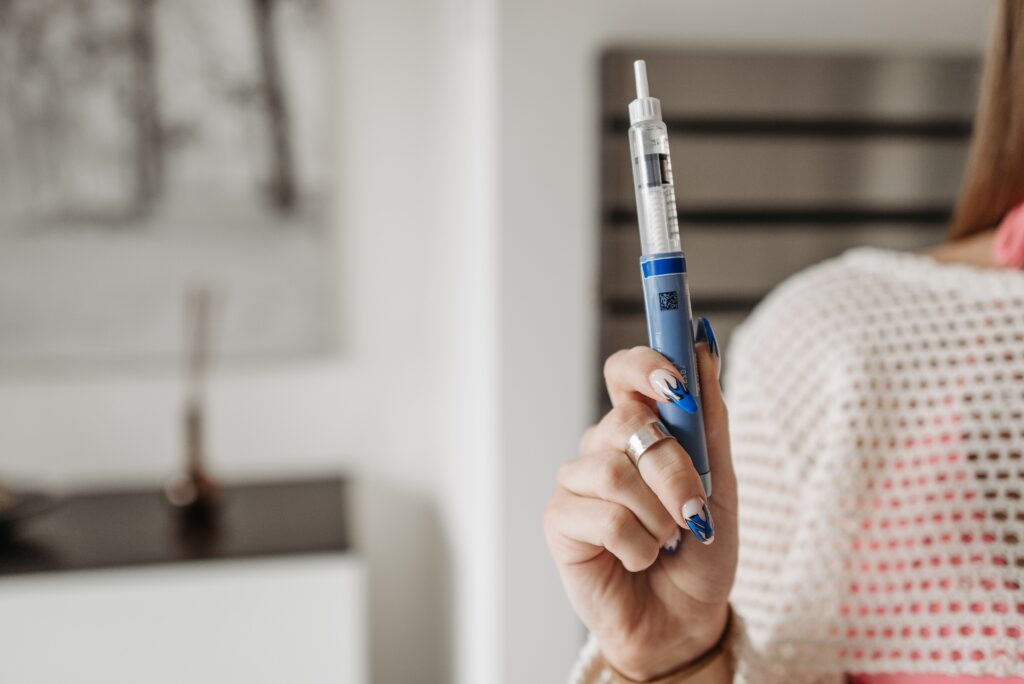
The Frustration of Doing Everything Right
You took the prescription as directed. You refilled it every month, swallowed the pill or gave yourself the injection, and showed up for every lab draw. Yet the numbers on your chart still aren’t where they should be, or they improved for a while and then stalled. For millions of people relying on statins, metformin, or Ozempic®, this is a quietly disheartening reality. The medication is doing its job on paper, but you don’t feel transformed, and your health goals remain stubbornly out of reach.
The reason is not a personal failing, and it is not that the drugs are useless. Statins, metformin, and Ozempic® (semaglutide) are powerful, well-studied tools. The catch is that each one targets a single mechanism while leaving the deeper engine of disease, your daily diet and lifestyle, largely untouched. A pill can lower a number, but it cannot reach into your kitchen, your activity level, or the chronic stress that quietly fuels metabolic disease.
This article is about what to do when statins, metformin, or Ozempic® aren’t working, or simply aren’t enough. The encouraging truth, backed by decades of peer-reviewed research, is that the missing ingredient is usually within your control. Lifestyle change can amplify what medication does, reduce the dose you need, and in many cases address the root cause that the prescription never touched.
Why Medications Manage Symptoms but Don’t Address the Cause
Modern medicine excels at intervening on specific biological levers. Statins block an enzyme in the liver to slow cholesterol production. Metformin reduces the amount of glucose your liver releases and improves insulin sensitivity. Ozempic® mimics a gut hormone to curb appetite and steady blood sugar. Each is genuinely effective at its narrow task.
What none of them can do is rebuild the lifestyle that created the problem in the first place. If a diet heavy in saturated fat, refined carbohydrates, and sodium continues unchanged, the medication is forever swimming upstream. This is why so many people find that their drugs plateau, require escalating doses, or stop short of the goal. The pill is managing a symptom while the underlying disease keeps progressing. Understanding whether you really need all these pills often begins with understanding what they can and cannot do.
When Statins Aren’t Enough
Statins are among the most studied medications in cardiovascular medicine, and they work. By inhibiting the HMG-CoA reductase enzyme, they reduce the liver’s cholesterol output and help clear LDL from the blood. Statins can lower cholesterol by as much as 30% to 50%, a better result than any other drug historically used for reducing cholesterol. For many people, that reduction is meaningful and protective.
Yet statins are not a complete solution, and several realities explain why patients feel they aren’t enough:
- Residual risk remains. Even with LDL substantially lowered, many people on statins still have elevated cardiovascular risk driven by inflammation, blood pressure, blood sugar, and excess weight, none of which a statin fully addresses.
- Side effects are common enough to matter. Muscle aches and intolerance lead some patients to stop or lower their dose, which blunts the benefit.
- There is a counterintuitive trade-off. Research has identified that statins are associated with a modestly increased risk of developing type 2 diabetes, a paradox Pritikin examines in its discussion of statins and diabetes.
This is precisely why physicians and researchers emphasize that statins work but aren’t enough on their own. Diet and exercise address the very risk factors statins leave behind, which is why so many cardiologists pair medication with lifestyle change rather than relying on the prescription alone.
When Metformin Isn’t Working
Metformin is the most widely prescribed first-line medication for type 2 diabetes, and for good reason. It lowers the glucose your liver produces and helps your cells respond to insulin more effectively. For people newly diagnosed, metformin can bring blood sugar down noticeably and safely.
The problem arises when metformin alone is treated as the whole strategy. Type 2 diabetes is, at its core, a disease of diet and lifestyle, and metformin does nothing to change what arrives on your plate. Over time, many patients find that metformin plateaus: their A1c creeps back up, the dose is increased, and eventually a second or third medication is added. Each escalation manages the symptom while the underlying insulin resistance continues.
Lifestyle is what metformin cannot supply. A fiber-rich, low-fat, whole-food diet combined with regular movement directly improves insulin sensitivity, often more powerfully than the drug itself. The evidence that diet and exercise are best for preventing pre-diabetes is strong and long-standing. When people add these changes to metformin, they frequently see results the medication never delivered alone, and some, under physician supervision, are eventually able to reduce their reliance on it.
When Ozempic Isn’t the Whole Answer
Ozempic® (semaglutide) has captured enormous attention for its ability to drive weight loss and improve blood sugar. As a GLP-1 receptor agonist, it mimics a natural hormone that influences insulin secretion, appetite, and digestion, reducing appetite by increasing feelings of fullness and delaying stomach emptying. For people with type 2 diabetes or significant excess weight, the early results can feel remarkable.
But Ozempic® carries important limitations that explain why it often isn’t enough on its own:
- Weight tends to return. Weight regain after stopping Ozempic is common if healthy lifestyle changes aren’t sustained. The drug suppresses appetite while you take it, but it does not teach the eating habits that maintain a healthy weight for life.
- The results are gradual and variable. Studies indicate an average loss of 5 to 15% of body weight over a year, with individual factors like diet and exercise significantly affecting outcomes.
- Cost and side effects add up. Without insurance, Ozempic can cost around $800 per month, and gastrointestinal side effects like nausea, vomiting, and diarrhea are the most common.
- Sugar still matters. Consuming excessive sugar can still cause blood sugar fluctuations and negate the benefits of the medication.
This is why understanding the role of diet in Ozempic is so important, and why separating the hype from the reality of Ozempic for weight loss helps people set realistic expectations. The medication can be a useful starting point, but lasting change depends on the lifestyle built around it.
The Common Thread: Lifestyle Is the Missing Ingredient
Look closely at the limitations of statins, metformin, and Ozempic®, and the same pattern emerges. Each drug intervenes on one mechanism, and each works best, or becomes less necessary, when paired with diet, exercise, and stress management. Lifestyle is not the soft alternative to medication. It is the foundation that everything else stands on.
The reasons lifestyle matters so much include:
- It addresses multiple risk factors at once. A heart-healthy, whole-food diet simultaneously lowers cholesterol, improves blood sugar, reduces blood pressure, and supports weight loss, something no single medication can claim.
- It reduces dependence on escalating doses. When the underlying disease improves, the need for more pills or higher doses often falls.
- It is sustainable. Habits, unlike prescriptions, do not stop working the moment you stop paying for them.
- It supports the transition off medication when appropriate. For those who have used Ozempic®, a structured post-Ozempic meal plan and a focus on maintaining diet and exercise for long-term success are what prevent the all-too-common rebound.
What the Science Says About Diet Versus Drugs
The notion that food could rival pharmaceuticals sounds optimistic until you examine the research. Studies have demonstrated that an aggressive, fiber-rich, low-fat dietary pattern can be remarkably effective at lowering cholesterol, in some cases approaching the impact of medication. Pritikin’s review of how diet can be as effective as statins in lowering cholesterol summarizes this body of evidence.
The same is true across metabolic conditions. Intensive lifestyle intervention has repeatedly outperformed medication for preventing the progression from pre-diabetes to full diabetes. And for cholesterol specifically, the question of how to get off cholesterol medication safely is one that should only ever be explored under physician supervision, but it is a real possibility for those who change the underlying drivers. The healthier choices that support all of this are detailed in Pritikin’s guidance on the lifestyle choices that drive weight loss.
None of this means abandoning your medication. Statins, metformin, and Ozempic® all have a legitimate place, and decisions about them belong with your doctor. The point is that the prescription was never meant to work alone.
A Smarter Path Forward With Pritikin
For nearly 50 years, the Pritikin Longevity Center has been the leader in sustainable weight loss and the healing of lifestyle diseases, with results documented in more than 100 peer-reviewed medical journals. Rather than positioning lifestyle as a footnote to medication, the Pritikin program makes it the centerpiece, delivered by a physician-led team in an immersive resort setting.
The approach is comprehensive by design. Guests follow the proven Pritikin eating plan, a whole-food, fiber-rich pattern that naturally lowers cholesterol, steadies blood sugar, and promotes weight loss without deprivation. They move through a personalized exercise program, learn real kitchen skills in the hands-on cooking school, and build the healthy mindset needed to make change permanent. Understanding why Pritikin works comes down to this integration: it treats the root cause that statins, metformin, and Ozempic® leave behind.
For those who arrived dependent on medication, Pritikin offers a path toward something more durable. The center’s guidance on weight-loss medication and its recovery and resilience program help guests either reduce their reliance on drugs where medically appropriate or build the habits that make those drugs far more effective. The documented results reflect what becomes possible when lifestyle finally does the heavy lifting, and the full experience is designed to make that transformation both effective and genuinely enjoyable. To see exactly how Pritikin works, guests need only spend a few days immersed in it.
Take the First Step Toward Lasting Results
If statins, metformin, or Ozempic® have left you stuck, frustrated, or simply wanting more than a managed number, a Pritikin representative can help you chart a different course. Reach out today to book a consultation and discover how an immersive, physician-led program can address the root causes of your health concerns and help you build results that last well beyond any prescription.