
Bottled Water Facts

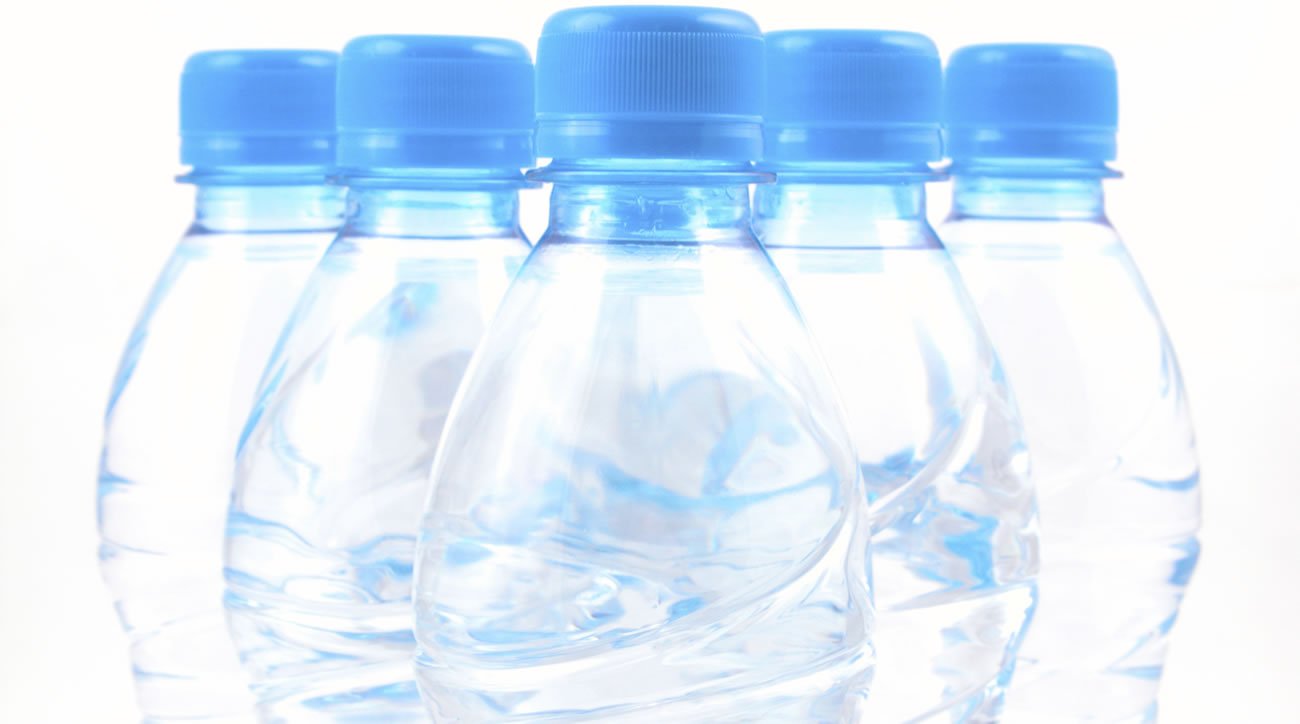
Bottled Water Facts | Did You Know…
- Bottled water is tough on the environment. While it’s true that about 20% of plastic water bottles are recycled, a jaw-dropping 24 billion bottles end up in U.S. landfills each year.
- Plastic water bottles sap the world’s limited supplies of oil. Production of plastic bottles in the U.S. requires millions of barrels of crude oil every year. And that’s just production. Transportation of bottles consumes millions more.
- Bottled water is not necessarily purer than tap water. The Environmental Working Group, a nonprofit environmental research organization based in Washington, D.C., found chemical contaminants, including fertilizer residue and pain medications, in every brand of bottled water tested.
- The Natural Resources Defense Council, another nonprofit organization, tested more than 1,000 bottles of water, comparing them with tap water, and concluded that water out of a bottle is not any cleaner or safer than water from the tap. In fact, 25% or more of bottled water is really just tap water in a bottle.
- Recent research suggests that the plastic in water bottles may pose health risks. Chemicals in the plastic, such as phthalates, can leach into bottled water over time. Scientists at the University of Michigan have found that increased exposure to phthalates was associated with reduced levels of circulating testosterone in several key populations in the U.S., including boys ages 6 to 12, and men and women ages 40 to 60.
Bottled Water | Solutions
In most cases, Americans don’t need to buy bottled water. Consistently, experts have found that municipal tap water is almost always safe to drink.
If you have concerns about the quality of your tap water or its taste (municipal water may have some residual chlorine taste), try a water filter.
Generally, water filters fall into two main categories. There are point-of-entry units, which treat water before it gets distributed throughout the house. And there are point-of-use units, such as water pitchers with built-in filters, which attach to your faucet.
As a general rule, look for filters labeled as meeting NSF/ANSI standard 53.
What you drink matters as much as how much. Beverages that arrive without calories, added sugar, or alcohol let you meet your daily hydration needs without simultaneously working against your weight, blood sugar, or blood pressure. Plain water — filtered if you prefer the taste — handles the overwhelming majority of the job for the overwhelming majority of people. Everything else on this list is situational: useful in the right context, counterproductive in the wrong one. When you are unsure, reach for the option that costs you nothing.