
How to Use Food as Medicine: What the Research Shows
To use food as medicine is to recognize that every meal sends biochemical signals throughout your body. These signals can either inflame or calm, oxidize or protect, accelerate aging or slow it. The food as medicine philosophy is rooted in the understanding that chronic diseases — heart disease, type 2 diabetes, hypertension, certain cancers, fatty liver, and even cognitive decline — are predominantly lifestyle-driven, and therefore largely preventable and often reversible through dietary change.

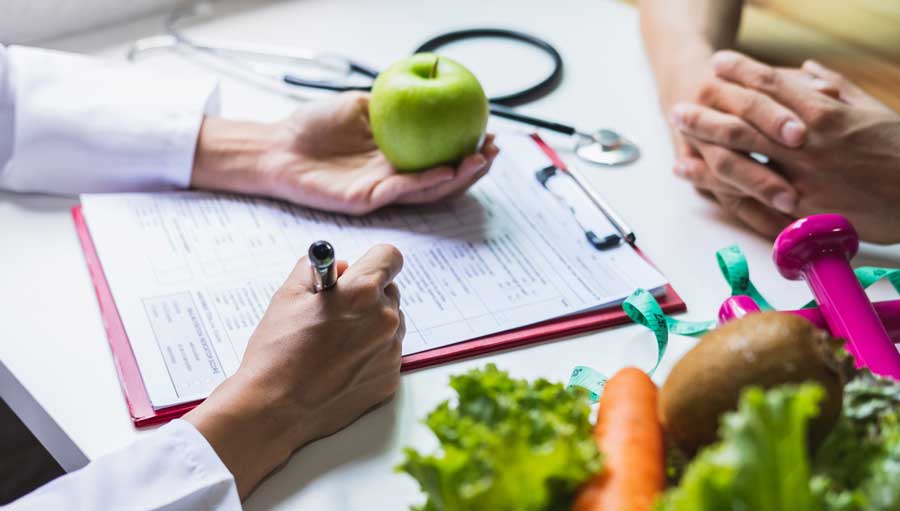
A Powerful Prescription on Your Plate
The idea that what you eat can heal, prevent, and even reverse disease is no longer fringe wellness rhetoric — it is one of the most rigorously studied concepts in modern medicine. The phrase “food as medicine” has moved from ancient philosophy into peer-reviewed science, with thousands of clinical studies demonstrating that the contents of your refrigerator may matter as much as the contents of your medicine cabinet. From cardiovascular disease and type 2 diabetes to depression, arthritis, and certain cancers, the evidence consistently points to one truth: nutrition is medicine.
For nearly five decades, Pritikin Longevity Center has stood at the forefront of this movement, translating science into a sustainable lifestyle that produces measurable, documented results. Long before “food as medicine” became a buzz phrase in mainstream healthcare, Pritikin was demonstrating in more than 100 peer-reviewed medical journals that the right diet, paired with exercise and behavioral change, could reverse heart disease, normalize blood sugar, lower blood pressure, and extend lifespan.
This article explores how to actually use food as medicine — which foods to eat more of, which to limit, and what the research reveals about the conditions most responsive to nutritional intervention. Whether you are managing a chronic condition, trying to lose weight, or simply hoping to age with vitality, understanding how to use food as medicine is one of the most empowering decisions you can make for your long-term health.
The good news? You don’t need a prescription, a pharmacy, or a complicated regimen. You need knowledge — and the willingness to apply it.
What “Food as Medicine” Actually Means
To use food as medicine is to recognize that every meal sends biochemical signals throughout your body. These signals can either inflame or calm, oxidize or protect, accelerate aging or slow it. The food as medicine philosophy is rooted in the understanding that chronic diseases — heart disease, type 2 diabetes, hypertension, certain cancers, fatty liver, and even cognitive decline — are predominantly lifestyle-driven, and therefore largely preventable and often reversible through dietary change.
This is not about restrictive dieting or temporary cleanses. Using food as medicine means consistently choosing whole, nutrient-dense, minimally processed foods that nourish cells, support detoxification pathways, regulate hormones, and reduce systemic inflammation. The Pritikin Eating Plan operationalizes this principle, drawing on decades of clinical research to guide guests toward foods that heal and away from those that harm.
Health Ailments Most Responsive to Food as Medicine
The conditions most dramatically influenced by diet are also among the most prevalent. Using food as medicine has been clinically shown to improve or reverse:
- Cardiovascular disease — including high cholesterol, hypertension, and atherosclerosis
- Type 2 diabetes and prediabetes — often allowing for reduced or discontinued medication
- Obesity and metabolic syndrome
- Non-alcoholic fatty liver disease
- Certain cancers, particularly colon, breast, and prostate
- Inflammatory conditions such as rheumatoid arthritis
- Depression and anxiety
- Cognitive decline and dementia risk
- Kidney disease progression
- Erectile dysfunction and sexual health issues
Pritikin has published extensively on the dietary protocols that target these conditions specifically, including meal plans for diabetes and prediabetes, foods that support kidney health, foods that promote sexual health, and foods that support liver function.
Foods to Eat More Often
Using food as medicine means leaning heavily into the foods that have been studied most extensively for their healing properties. These include nutrient-dense, fiber-rich, antioxidant-loaded whole foods that support virtually every system in the body.
Vegetables — Especially Leafy Greens and Cruciferous Varieties
Spinach, kale, arugula, Swiss chard, broccoli, cauliflower, Brussels sprouts, and cabbage deliver concentrated doses of vitamins, minerals, fiber, and disease-fighting phytochemicals. Cruciferous vegetables in particular contain sulforaphane and indole-3-carbinol, compounds shown in research to support detoxification and reduce cancer risk. Pritikin’s article on the best foods to prevent colon cancer outlines how these vegetables are central to a protective diet.
Fruits — Berries, Citrus, and Stone Fruits
Berries are among the most antioxidant-rich foods in existence. Blueberries, strawberries, raspberries, and blackberries are linked to improved memory, lower blood pressure, and reduced inflammation. Citrus fruits provide vitamin C and flavonoids that support immune and vascular health. Pritikin’s exploration of foods that can make you look younger highlights how fruit-derived antioxidants combat oxidative stress that drives visible and cellular aging.
Whole Grains and Legumes
Beans, lentils, chickpeas, oats, brown rice, quinoa, and barley are foundational to using food as medicine. They deliver soluble fiber that lowers LDL cholesterol, stabilizes blood sugar, feeds beneficial gut bacteria, and promotes satiety. Multiple long-term studies of populations with the longest lifespans on Earth — including the Blue Zones — show that legumes are a cornerstone of their daily diet.
Fatty Fish and Omega-3 Sources
Salmon, sardines, mackerel, and trout provide long-chain omega-3 fatty acids (EPA and DHA), which research consistently associates with reduced cardiovascular risk, improved mood, and lower inflammation. Pritikin’s article on the best foods for rheumatoid arthritis emphasizes the role of omega-3s in calming joint inflammation.
Nuts, Seeds, and Healthy Fats
Walnuts, almonds, flaxseed, chia seeds, and pumpkin seeds offer fiber, plant protein, magnesium, and beneficial fats. Studies link regular nut consumption to lower rates of heart disease and all-cause mortality. Portion control matters — a small handful daily is the research-backed sweet spot.
Mood-Boosting and Brain-Supporting Foods
Food as medicine isn’t only about physical disease. Pritikin’s articles on seven superfoods that can make you feel happy and foods that fight depression describe how complex carbohydrates, omega-3s, fermented foods, leafy greens, and turmeric influence neurotransmitter production and reduce neuroinflammation.
“Real” Superfoods
The marketing term “superfood” is often slapped on exotic and expensive items, but Pritikin’s real superfoods article and its companion piece on the real superfoods diet make clear that the most powerful healing foods are humble: beans, oats, berries, leafy greens, sweet potatoes, tomatoes, garlic, and onions.
Foods to Eat Less Often
Just as important as what you add is what you reduce. To use food as medicine effectively, certain foods must be limited because they actively work against the healing process — driving inflammation, insulin resistance, weight gain, and arterial damage.
Ultra-Processed Foods
Packaged snacks, sugary cereals, frozen entrees, fast food, and shelf-stable baked goods often contain refined flours, added sugars, sodium, industrial seed oils, and chemical additives. Large epidemiological studies link ultra-processed food consumption to higher rates of obesity, cardiovascular disease, type 2 diabetes, depression, and premature death.
Added Sugars and Refined Carbohydrates
Sugar-sweetened beverages, candy, pastries, white bread, and white rice cause sharp blood sugar spikes that contribute to insulin resistance, fatty liver, and chronic inflammation. Pritikin’s research-driven article on controlling blood sugar with food sequencing explains how even the order in which you eat foods can influence glucose response.
Processed and Red Meats
Bacon, sausage, deli meats, hot dogs, and frequent consumption of red meat have been associated with higher risks of colorectal cancer and cardiovascular disease in numerous large-scale studies, including findings cited by the World Health Organization classifying processed meats as Group 1 carcinogens.
Excess Sodium
Most Americans consume nearly double the recommended daily sodium, primarily from restaurant meals and packaged foods. High sodium intake raises blood pressure and increases stroke risk. Pritikin’s emphasis on naturally low-sodium cooking is one reason guests routinely see blood pressure drop within days at the resort.
Saturated and Trans Fats
Butter, full-fat dairy, fatty cuts of meat, fried foods, and partially hydrogenated oils raise LDL cholesterol and contribute to plaque formation in arteries. Replacing these with unsaturated fats from nuts, seeds, avocado, and fish is a foundational principle of using food as medicine for heart health.
Excess Alcohol
While moderate consumption has been debated, more recent and robust research suggests there is no safe level of alcohol for cancer prevention. Reducing alcohol supports liver health, sleep quality, and weight management — all critical for using food as medicine effectively.
What the Research Says: Does Science Back Up Food as Medicine?
The short answer: overwhelmingly, yes. The food as medicine paradigm is one of the most well-substantiated concepts in modern preventive medicine, supported by decades of randomized controlled trials, epidemiological studies, and clinical outcomes data.
Pritikin’s own contributions are extraordinary. As detailed on the Pritikin Results page, more than 100 studies published in peer-reviewed medical journals — including the New England Journal of Medicine, JAMA, Circulation, the American Journal of Cardiology, and Diabetes Care — have documented the measurable health improvements achieved through the Pritikin Program. Documented outcomes include:
- Reductions in LDL cholesterol of 23% on average within three weeks
- Significant blood pressure reductions, often allowing medication tapering under physician supervision
- Improvements in fasting blood glucose and HbA1c in people with type 2 diabetes
- Sustainable weight loss without hunger or extreme restriction
- Reduced markers of systemic inflammation
- Improved endothelial (blood vessel) function
Beyond Pritikin’s own research, landmark studies such as the Lyon Diet Heart Study, PREDIMED, the DASH trials, and Dr. Dean Ornish’s reversal studies all converge on the same conclusion: a whole-food, plant-predominant diet rich in fiber, antioxidants, and unsaturated fats — combined with physical activity and stress management — can prevent and often reverse the lifestyle diseases that account for the majority of healthcare spending today.
Pritikin’s article Can You Use Food as Medicine? summarizes this body of evidence and offers a research-backed framework for applying it. Additional Pritikin resources, including foods that promote lung health, the healthiest foods to lose weight, and five top food tips for people with diabetes, translate these findings into everyday strategies.
Why Pritikin Is the Gold Standard for Food as Medicine
Knowing that food is medicine is one thing. Knowing how to consistently apply it — in real meals, in real life, in a way that produces measurable outcomes — is another. This is where the Pritikin experience stands apart.
A Physician-Led, Science-Based Program
Set on the lush 650-acre grounds of a luxury resort in Doral, Florida, Pritikin brings together board-certified physicians, registered dietitians, exercise physiologists, behavioral health specialists, and culinary experts. Together they deliver the only resort-based program in the world with results documented across more than 100 peer-reviewed studies.
Hands-On Cooking Education
Guests don’t just eat well at Pritikin — they learn to cook well. The Pritikin Cooking School teaches practical, flavorful, evidence-based culinary techniques designed to make using food as medicine effortless after returning home. Knowing how to season without salt, build a satisfying plant-forward plate, and prepare grab-and-go meals is what turns a one-week visit into a lifelong transformation.
Immersive, Sustainable Lifestyle Change
The Pritikin Wellness Retreat is designed around the understanding that lasting change requires immersion. Guests escape the noise of daily life, reset their habits in a supportive environment, and leave with the tools and confidence to maintain their results for years to come. This is why Pritikin is consistently chosen by guests seeking sustainable weight loss, diabetes reversal, cholesterol reduction, and cardiovascular protection.
Begin Your Journey
Discovering how to use food as medicine could be the most consequential decision you make for your health, your longevity, and your quality of life. To speak with a Pritikin representative and learn how an immersive stay can help you reverse disease, lose weight, or simply feel better than you have in years, visit pritikin.com/book to schedule a confidential consultation. A team member will walk you through program options, answer your questions, and help you plan a stay tailored to your health goals.
Food is medicine. Pritikin is where you learn to take it.